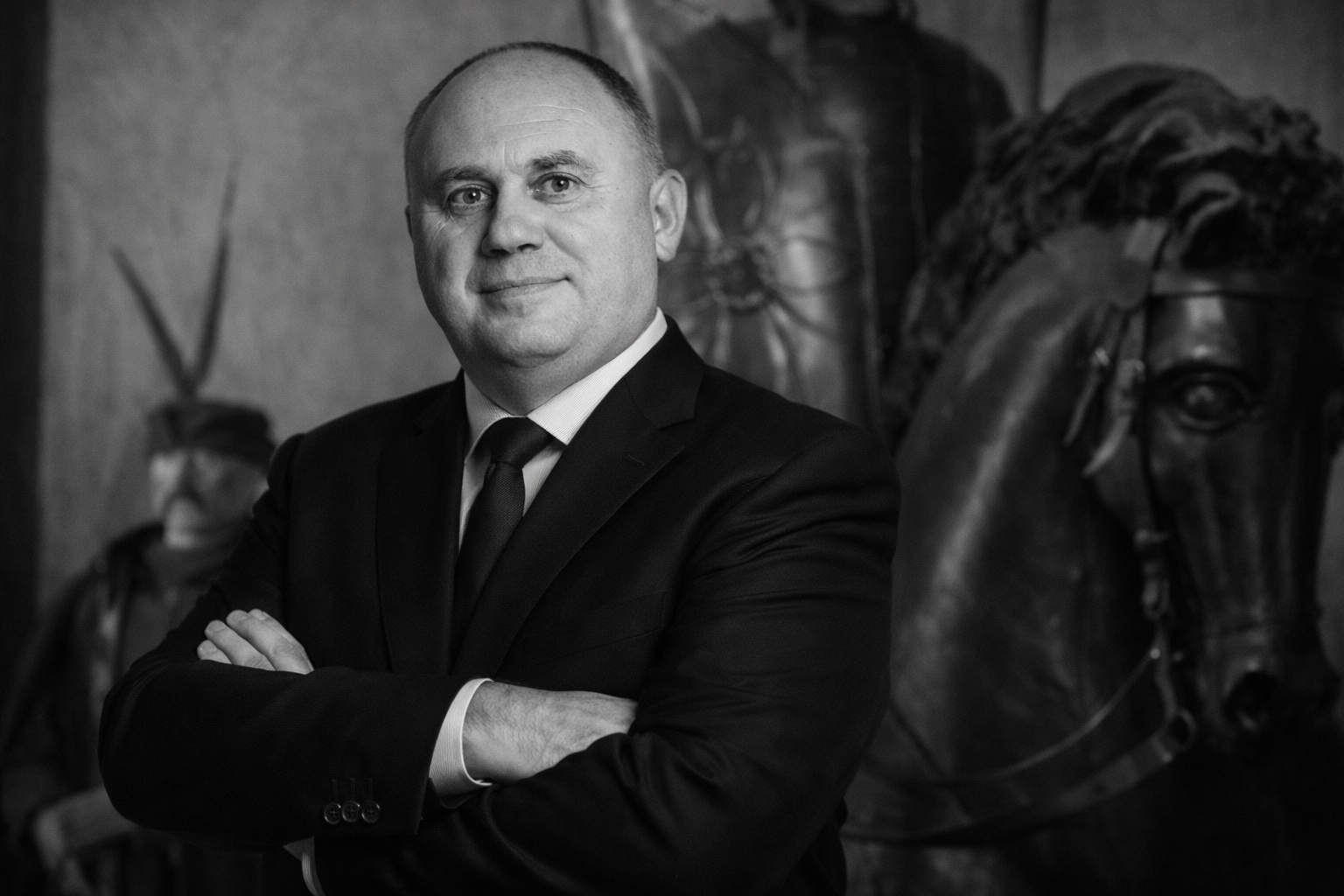
Professional profile
Branko Čičko is a Croatian historian, a researcher of local and regional history, and a graduate librarian whose professional and public work is closely connected to Croatian zagorje, its historical heritage, collective memory and cultural identity. Publicly available official records list him as a professional associate-librarian at the Secondary School Oroslavje, with qualifications as a Master of Science in the field of history and a graduate librarian.
Research focus
At the center of his long-term research interests are topics of the early modern period, especially the history of the Peasants' Revolt of 1573, the Susedgrad-Stubica manor, Franjo Tahy, and the broader social and political relations that shaped northwestern Croatia. His work is recognized for its effort to examine historical events and figures beyond simplified, stereotyped or ideologically fixed interpretations, relying on archival records, historiographical analysis, and the wider context of the period.
In public appearances and interviews, he has particularly emphasized the need for a more nuanced understanding of historical actors and processes, including a reconsideration of entrenched perceptions of Franjo Tahy and Matija Gubec.
Public and cultural engagement
As an author and local history researcher, Branko Čičko has participated in professional and cultural programs dedicated to the heritage of Zagorje, and has also been publicly presented as a "historian and graduate librarian, researcher of local history". His work includes not only historical research in the strict academic sense, but also active participation in the popularization of history through public lectures, collaboration on publications, book presentations, and involvement in cultural programs that connect historiography, local communities and heritage institutions.
History in the public sphere
A particular value of his work lies in the ability to connect scientific discipline with public communication. In his approach, history is not closed within specialist literature; it remains alive, accessible and rooted in the places, people and oral traditions of Croatian zagorje.
In this sense, his work also includes the media sphere: Radio Stubica lists the program "Stories from Zagorje's Past", and publicly available posts directly connect Branko Čičko with this content, through which he brings historical themes closer to a broad audience by means of clear, cultivated and well-grounded storytelling.
Conclusion
Branko Čičko belongs to that circle of historians for whom history is both a subject of research and a field of responsibility: to the source, to the fact, to language and to homeland. His work reflects a lasting commitment to preserving historical memory, deepening the understanding of the Zagorje region, and passing knowledge to new generations.
This is precisely why his professional and public engagement holds a special place in the contemporary presentation and interpretation of the historical heritage of Croatian zagorje.